
Industry News | Japanese Phlebology Community Drives Revival of Local Hosiery Industry
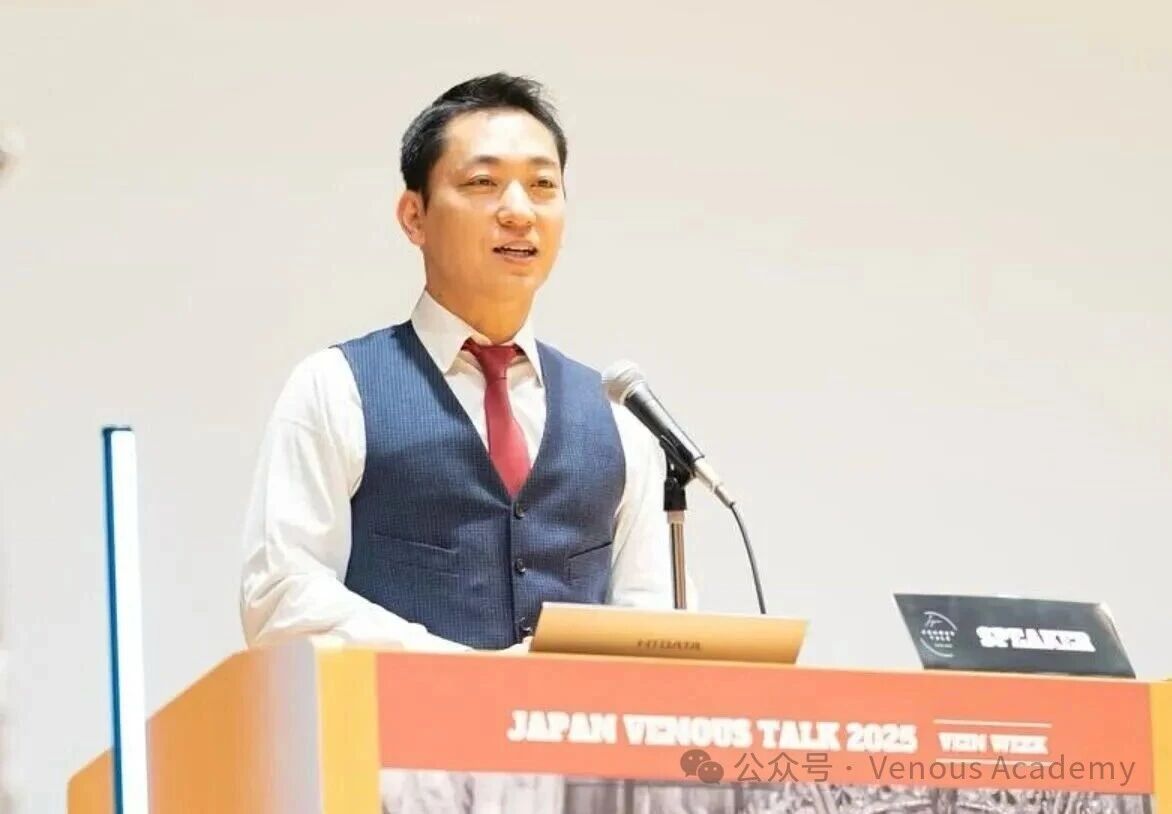
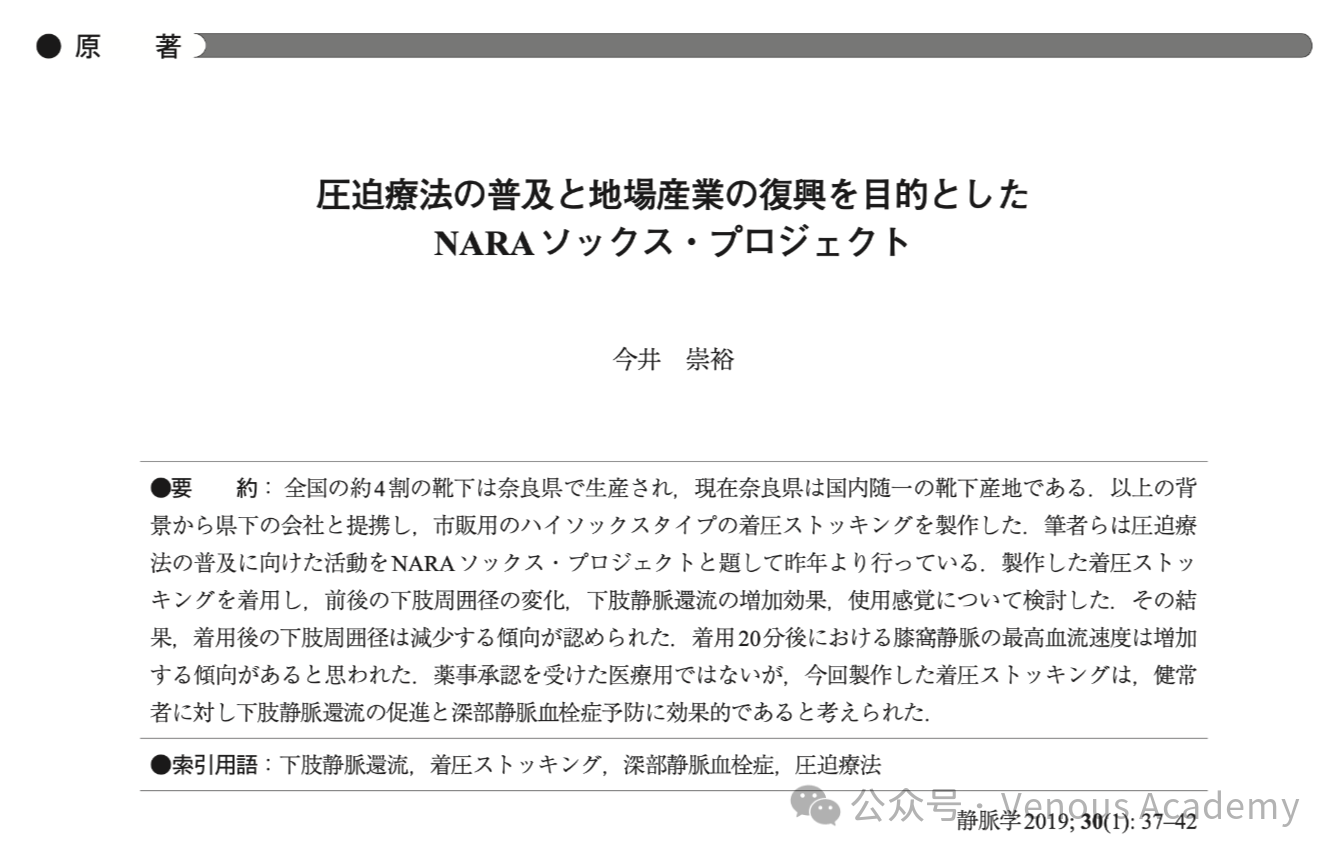
Recently, a representative practical research achievement was published by the Japanese phlebology community: the “NARA Socks Project.” Initiated by Dr. Takahiro Imai’s team from the Vascular Surgery Center at Nishinokyo Hospital in Nara Prefecture, the project aims to promote the popularization of compression therapy among the general public through a medical-led approach, while exploring a sustainable path that deeply integrates traditional local industry with medical needs.
Nara: One of Japan’s Most Important Hosiery Production Hubs
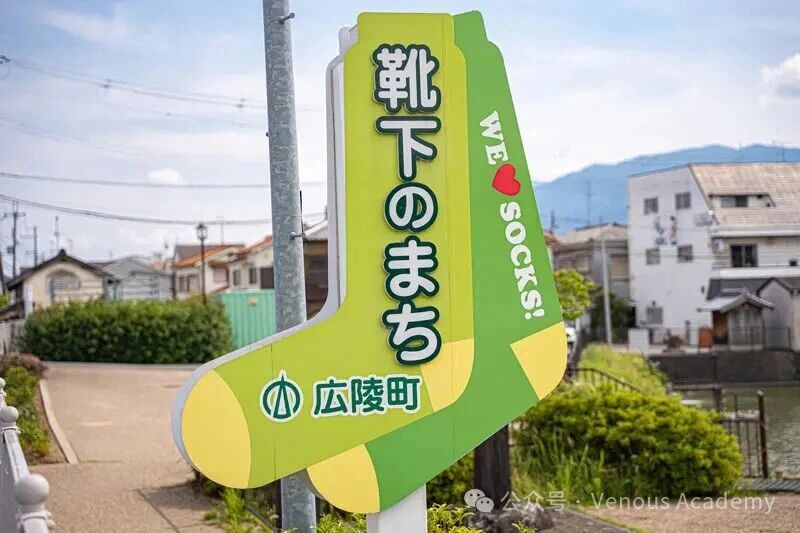
Nara Prefecture is the most important production base for hosiery in Japan, with approximately 40% of the country’s socks produced there. However, with the large-scale entry of low-cost products from Southeast Asia, the domestic hosiery industry in Japan has continued to shrink, with current production levels at only about 10%–20% of its peak. Local enterprises are facing severe survival pressure. Against this background, the research team proposed: Could the development of products related to compression therapy, while adhering to medical principles, satisfy public health needs and provide a new development direction for local industry?
The “NARA Socks Project,” a collaboration between medical institutions and local hosiery manufacturers in Nara, developed a commercially available, knee-high compression sock. This product is not a medical-grade elastic stocking; rather, it is positioned for daily use by healthy populations. Its goals include: promoting venous return in the lower limbs; preventing lower limb venous stasis in scenarios such as prolonged standing, sitting, or long-distance travel; and reducing the risk of Deep Vein Thrombosis (DVT).
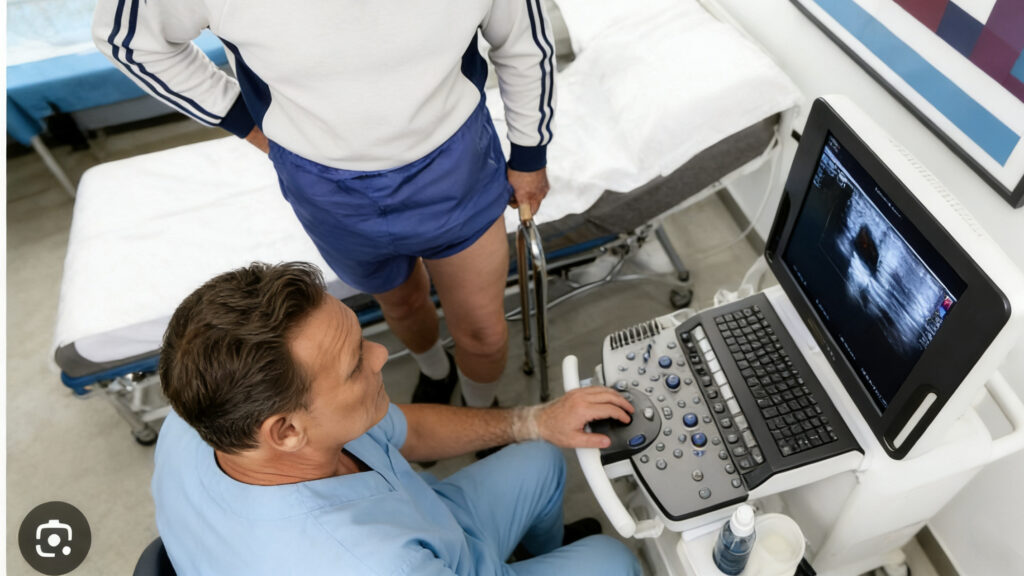
The research subjects were 16 healthy volunteers with no history of venous disease (8 males and 8 females, average age 36.4 years). The research team evaluated the following before and after wearing the compression socks: changes in calf and lower limb circumference; popliteal vein hemodynamic parameters (vessel diameter, peak blood flow velocity); and actual wearing comfort (compared with medical elastic stockings). Ultrasound assessment utilized pulse Doppler technology to compare changes before wearing, after 20 minutes of wear, and after 40 minutes of wear.
The research results showed:
-
Calf circumference: Showed a downward trend after wearing.
-
Popliteal vein diameter: Significantly decreased after 20 and 40 minutes of wear.
-
Peak popliteal vein blood flow velocity: Significantly increased after wearing.
These changes suggest that compression socks help improve lower limb venous return and reduce venous stasis in healthy individuals. Regarding subjective experience, although slightly inferior to some medical elastic stockings in terms of breathability and fit, the overall wearing sensation was close to the level of medical products, demonstrating good feasibility for daily use.
The study’s authors emphasized in the paper: This product cannot replace medical elastic stockings approved by regulatory authorities; it is not suitable for the treatment of diseases requiring high compression (such as lymphedema). Its core value lies in preventive use and public health promotion for the healthy population. It is precisely this clear awareness of medical boundaries that gives the project exemplary significance at both the academic and social levels. The research team pointed out that, based on the results of this study, they will further explore public education and industrial cooperation related to the popularization of compression therapy in the future, hoping to create a new connection between domestic industry and public health without violating medical principles.
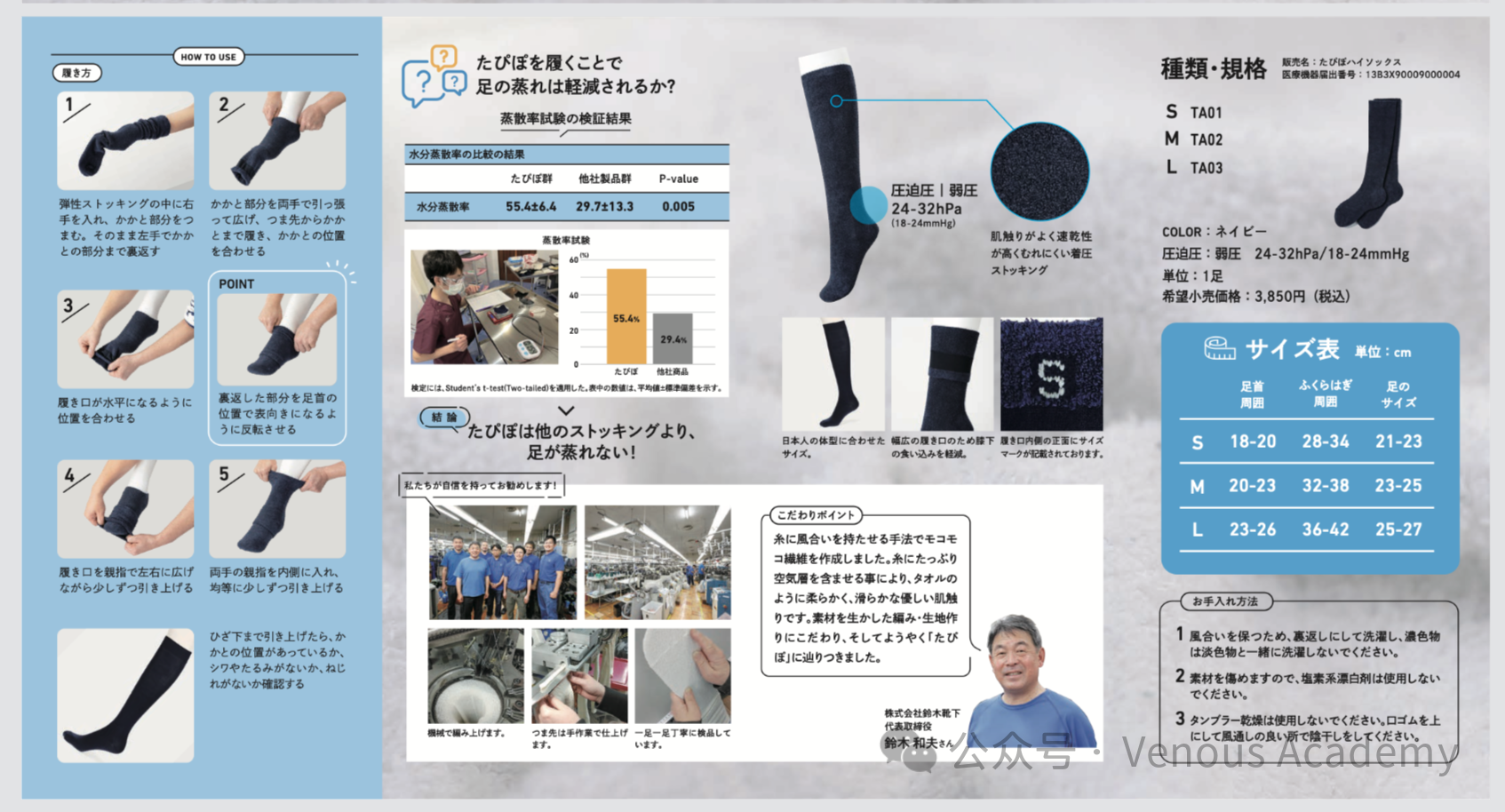
Source: Takahiro Imai, “NARA Socks Project: A Practical Study Aimed at the Popularization of Compression Therapy and Regional Industrial Revitalization,” published in the Japanese Journal of Phlebology (Jpn J Phlebol), 2019, Vol. 30, No. 1.
We welcome inquiries regarding academic collaboration, joint scientific meetings, educational initiatives, and appropriate institutional support aligned with the Academy’s mission.