


Industry Insights | New Evidence: Integrating HIFU with CHIVA Strategy for Varicose Veins
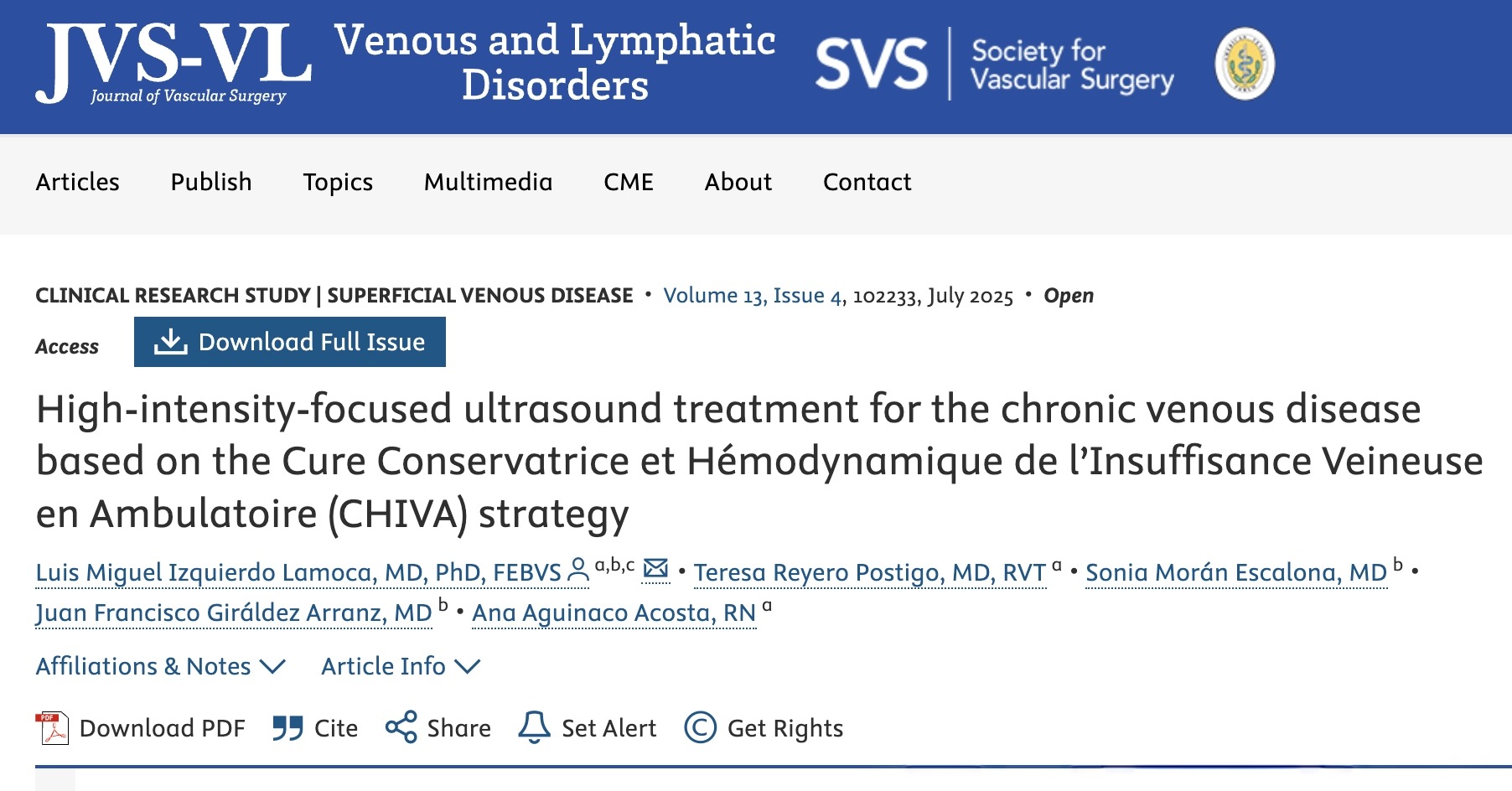
A high-profile study by Dr. Luis Miguel Izquierdo’s team in Spain, recently published in the Journal of Vascular Surgery: Venous and Lymphatic Disorders (JVS-VL), has garnered significant attention. The study systematically evaluates the safety and efficacy of High-Intensity Focused Ultrasound (HIFU) guided by the CHIVA strategy in treating Chronic Venous Disease (CVD).
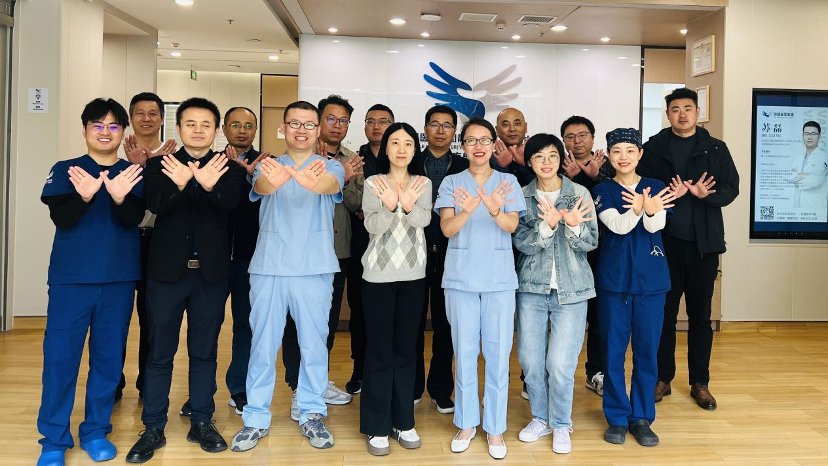
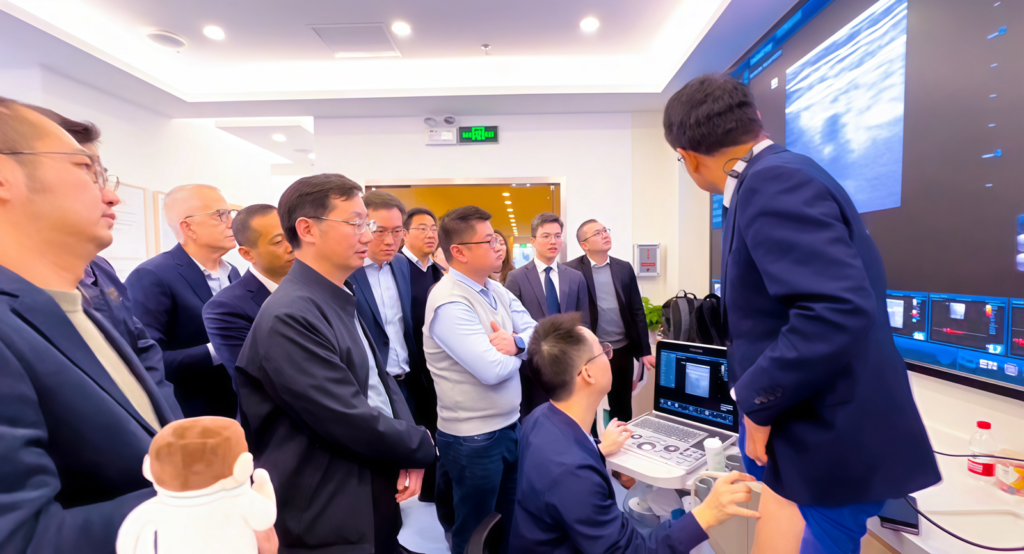
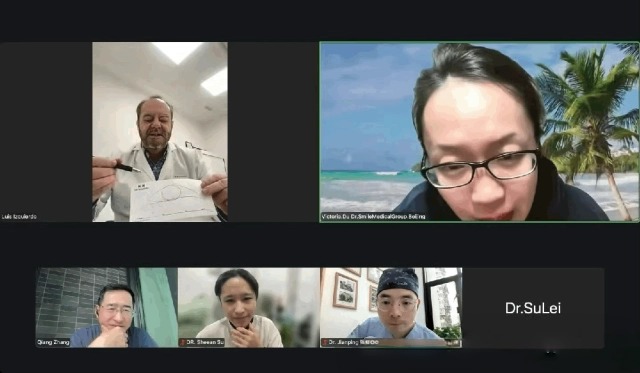
This research provides the most comprehensive clinical evidence to date for the combination of “non-invasive energy therapy” and “hemodynamic-guided treatment.” Notably, on November 5, 2025, Dr. Izquierdo held in-depth discussions with experts from the Dr. Smile Medical Group (China) regarding the risks and prospects of applying non-invasive innovative devices within the CHIVA framework.
Research Background: When Non-Invasive Energy Meets Hemodynamic Logic
The mainstream treatment for CVD has long centered on stripping, thermal ablation (laser/radiofrequency), or chemical sclerosis. While effective at symptom relief, these “destroy-or-close” methods raise ongoing debates regarding venous function preservation, long-term recurrence mechanisms, and potential over-treatment.
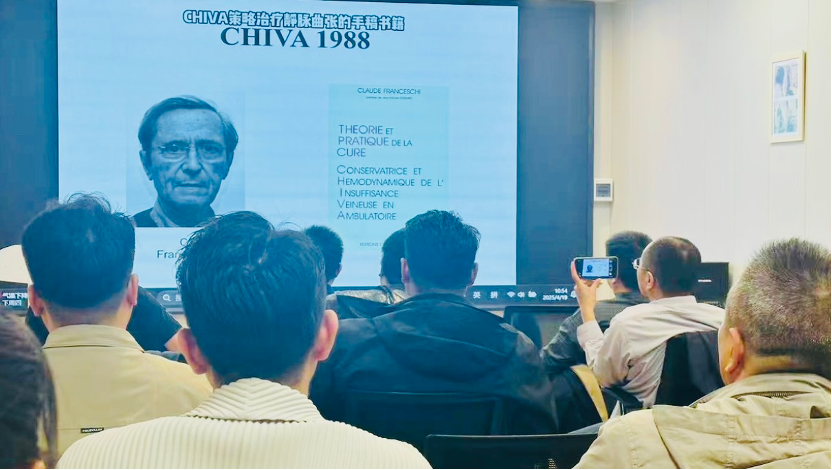
The CHIVA (Cure Conservatrice et Hémodynamique de l’Insuffisance Veineuse en Ambulatoire) strategy emerged as a response to these concerns. It posits that:
-
The essence of venous disease lies in abnormal blood flow pathways, not the vein itself.
-
The goal should be correcting pathological hemodynamics rather than simple vascular destruction.
-
Whenever possible, functional venous structures should be preserved.
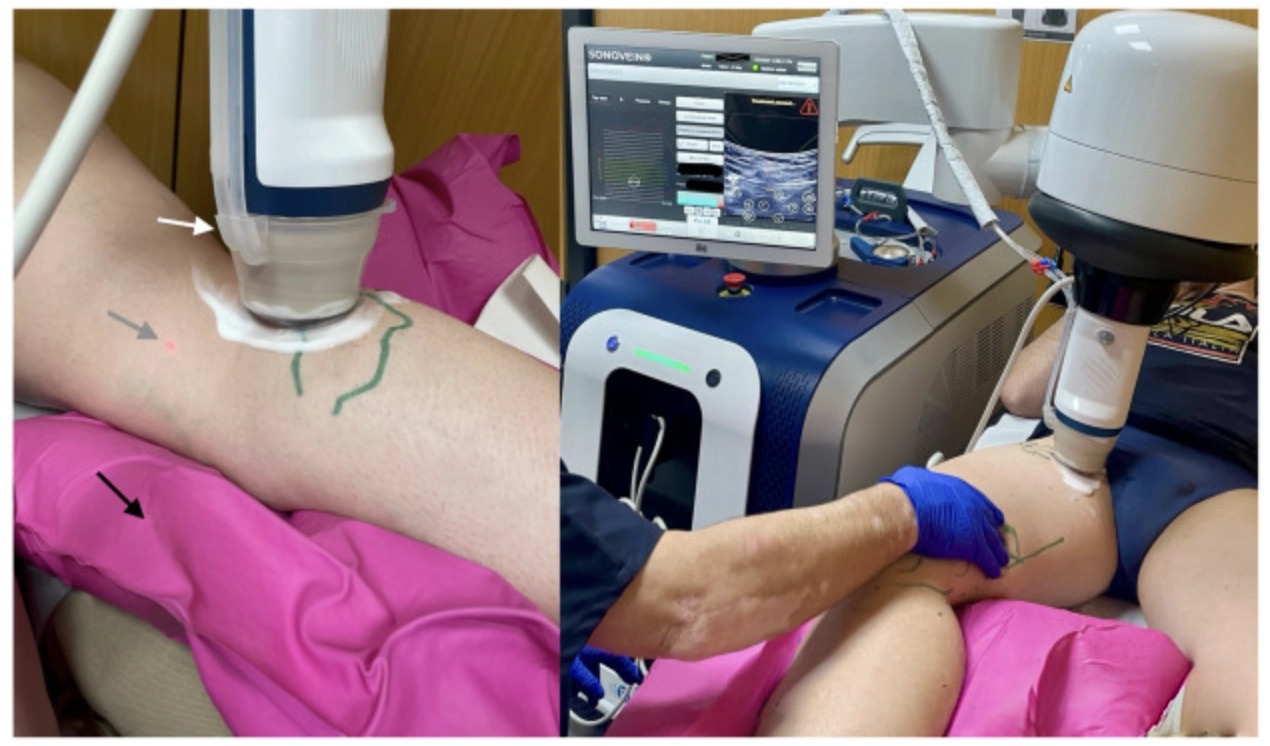
In this context, HIFU—which requires no puncture or endovascular catheterization—emerges as a transformative tool for the precise closure of escape points with minimal tissue intervention.
Study Design and Key Findings
This retrospective cohort analysis included CVD patients (CEAP C2 and above) with ultrasound-confirmed saphenous reflux.
-
The Principle: Rather than ablating the entire truncal vein, HIFU was used selectively to treat key reflux sources and abnormal shunts based on CHIVA assessment.
-
The Results: At 12–24 months follow-up, the closure rate of reflux points remained stable at approximately 95%.
-
Safety Profile: No serious complications (such as DVT or major nerve injury) were reported. As a non-invasive technique, HIFU inherently eliminates risks associated with punctures, such as hematomas and endovascular infections.
Strategic Implications: What Does This Mean for the Industry?
From an industry perspective, the value of this study lies not in the HIFU technology itself, but in its application premise: Energy is merely a tool; the clinical outcome is determined by the physician’s understanding of blood flow pathways.
1. Defining the Boundaries of Non-Invasive Treatment
For too long, non-invasive venous therapy was relegated to “patient experience” discussions. This mid-term follow-up data demonstrates that, under specific indications, non-invasive treatment can achieve long-term stability comparable to traditional methods without sacrificing anatomical success.
2. Re-Validation of the CHIVA Strategy
The results reaffirm that not all CVD patients require extensive venous ablation. Reconstructing blood flow order can achieve long-term benefits with minimal cost to the patient’s anatomy. This aligns with the global trend toward individualized, preservative treatments.
The Perspective of the Asian Venous Academy
The Asian Venous Academy views this research as a reinforcement of our core academic stance:
-
Hemodynamic assessment must remain the foundation of all treatment decisions.
-
The introduction of new technology should serve medical logic, not replace it.
-
International evidence must be utilized to explore treatment pathways suited to the specific patient characteristics of the Asian region.
The future of chronic venous disease management belongs to doctors who possess a profound understanding of hemodynamics.
Upcoming: 2026 Asian Venous Summit in Hong Kong
In light of these developments, the Asian Venous Academy is pleased to announce the “2026 Asian Venous Summit,” to be held this July in Hong Kong.
The summit will focus on the philosophy of hemodynamic-guided diagnosis and treatment, specifically discussing the rational positioning and clinical boundaries of non-invasive technologies. We invite the global community to join us in exploring the medical logic and professional responsibility behind these technological advancements.
We welcome inquiries regarding academic collaboration, joint scientific meetings, educational initiatives, and appropriate institutional support aligned with the Academy’s mission.