


European Update | French Medicines Agency Reissues Safety Warning on Sclerotherapy for Varicose Veins
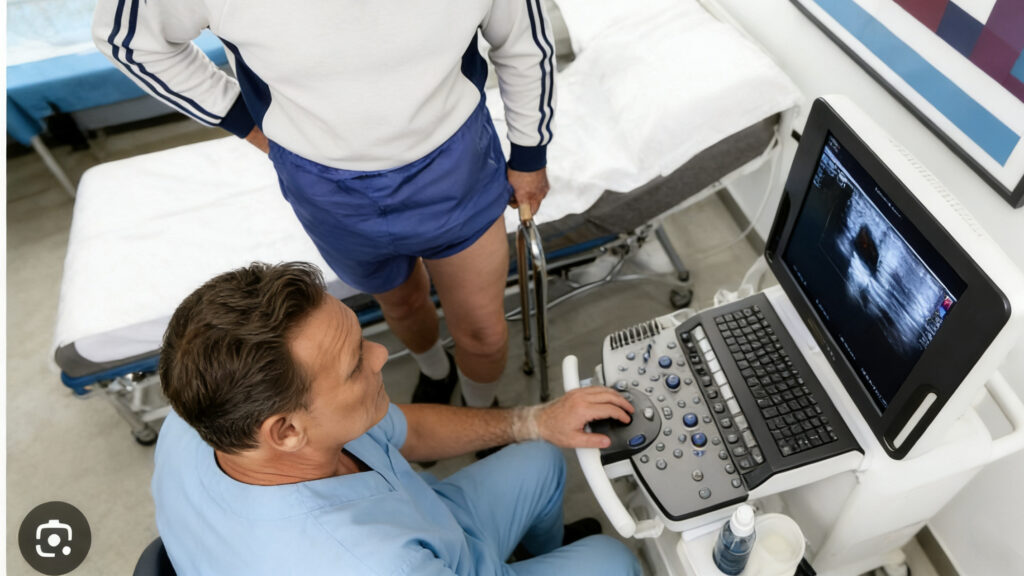
The French National Agency for the Safety of Medicines and Health Products (ANSM) has recently reissued an official safety communication regarding the use of venous sclerosants in the treatment of varicose veins. The agency emphasized that serious cardiovascular adverse events continue to be reported following sclerotherapy procedures, including deep vein thrombosis (DVT), pulmonary embolism (PE), and cardiac arrhythmias, some of which may be life-threatening.
The sclerosants most commonly used in France currently include Aetoxisclérol and Fibrovein. According to ANSM, these agents remain under enhanced pharmacovigilance monitoring. Despite multiple rounds of safety communications, updated prescribing information, and educational initiatives, reports continue to emerge involving:
- Severe cardiovascular complications
- Inappropriate use in patients with contraindications
- Errors in drug preparation and injection procedures
Among these concerns, risk management associated with foam sclerotherapy has become one of the major focuses of current regulatory oversight.

Key Recommendations from French Regulators
ANSM stressed that physicians must conduct comprehensive pre-procedural evaluations before performing sclerotherapy. Particular attention should be paid to:
- Thromboembolic risk factors
- Cardiovascular history
- Migraine and patent foramen ovale (PFO)-related risks
- Diabetes mellitus
- Obesity
- Smoking status and other vascular risk factors
In addition, the agency emphasized several mandatory safety measures:
- Patients must receive comprehensive informed consent regarding procedural risks
- Treatment facilities should be equipped with emergency resuscitation equipment and defibrillators
- Post-procedural observation is recommended
- Healthcare professionals involved in treatment should receive cardiopulmonary resuscitation (CPR) training
Regulators also highlighted the importance of recognizing warning symptoms that may indicate severe complications, including:
- Chest pain
- Dyspnea
- Palpitations
- Syncope
- Neurological symptoms
- Calf pain, swelling, or erythema
Implications for the International Venous Community
The Asian Venous Academy (AVA) believes that this latest regulatory update from France serves as another important reminder to the global venous medicine community that “minimally invasive” does not mean “risk-free.”
Sclerotherapy has been widely adopted because of its convenience, outpatient applicability, and minimally invasive nature. However, any pharmacological intervention involving the vascular system may carry systemic risks. This is particularly relevant in foam sclerotherapy, where interactions among sclerosant agents, gas composition, and venous hemodynamics require meticulous standardization and procedural control.
Increasing Importance of Patient Selection and Hemodynamic Assessment
As venous disease management evolves globally from a strategy focused primarily on eliminating visible varicosities toward long-term hemodynamic management, the importance of comprehensive pre-treatment assessment continues to increase.
Key considerations now include:
- Deep venous system evaluation
- Thrombotic risk stratification
- Iliac venous outflow assessment
- Overall circulatory and hemodynamic status of the patient
This transition reflects a broader shift in modern venous medicine toward individualized and physiology-oriented treatment strategies.
Venous Medicine Is Entering the Era of Safety and Long-Term Outcomes
Over the past decade, the field of varicose vein treatment has experienced rapid technological advancement, with numerous minimally invasive techniques emerging worldwide.
Today, however, international regulatory trends are increasingly emphasizing:
- Long-term safety outcomes
- Real-world complication data
- Standardized physician training
- Protocol-driven procedural practice
These developments suggest that the future of venous medicine will no longer be defined solely by faster or less invasive interventions, but increasingly by safer, more sustainable, and hemodynamically sound treatment approaches.
In the context of the rapidly evolving global venous field, patient safety and hemodynamic principles are expected to become increasingly central to the future direction of international venous medicine.
We welcome inquiries regarding academic collaboration, joint scientific meetings, educational initiatives, and appropriate institutional support aligned with the Academy’s mission.