Witnessing Regional Exchange: Reflections on the International Voice of Chinese Venous Medicine
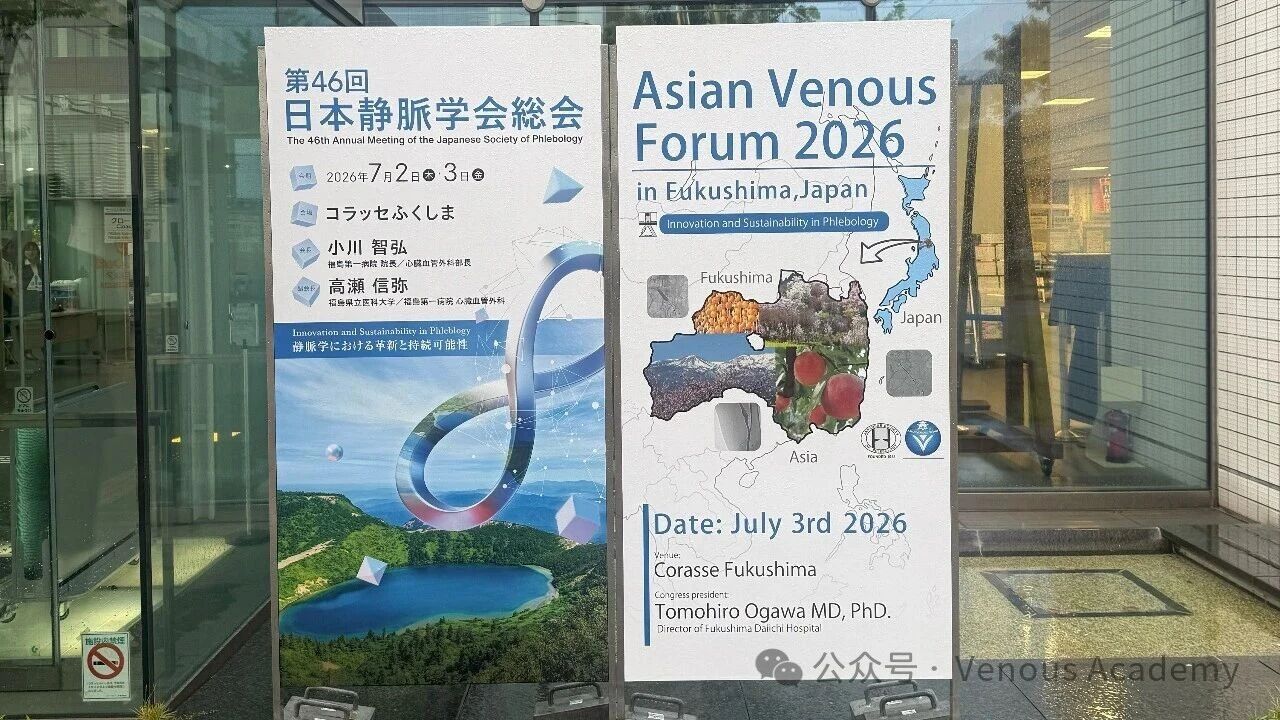
A long-awaited international academic gathering
Over the past few days, as a representative of the Asian Venous Academy, I had the privilege of attending the 2026 Asian Venous Forum held in Fukushima, Japan.
Upon entering the venue, what struck me most immediately was the long-awaited atmosphere of international academic exchange.
Venous specialists from Japan, South Korea, Vietnam, Indonesia, Thailand, and other countries and regions across Asia gathered to discuss the latest developments in the field of venous medicine.
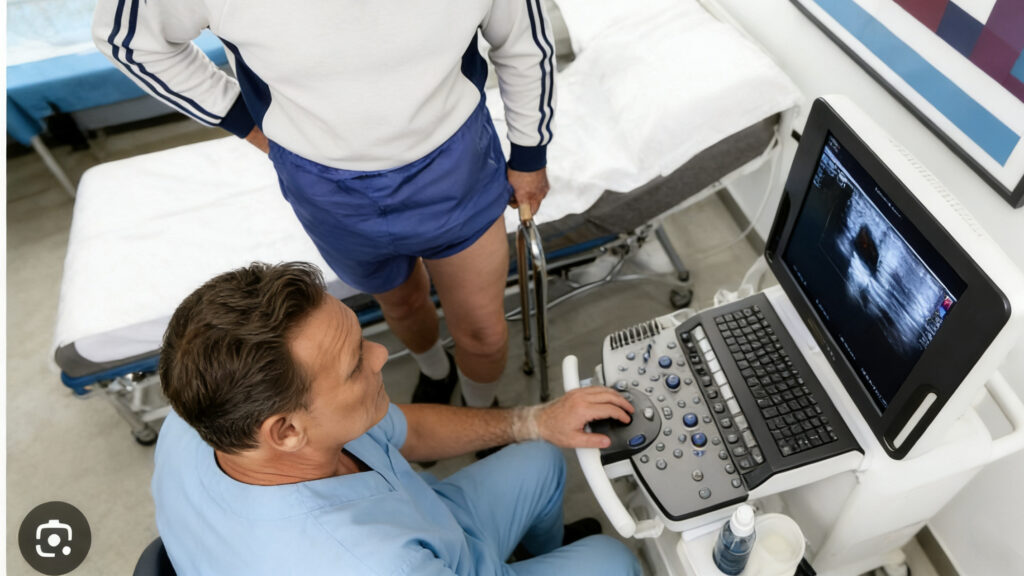
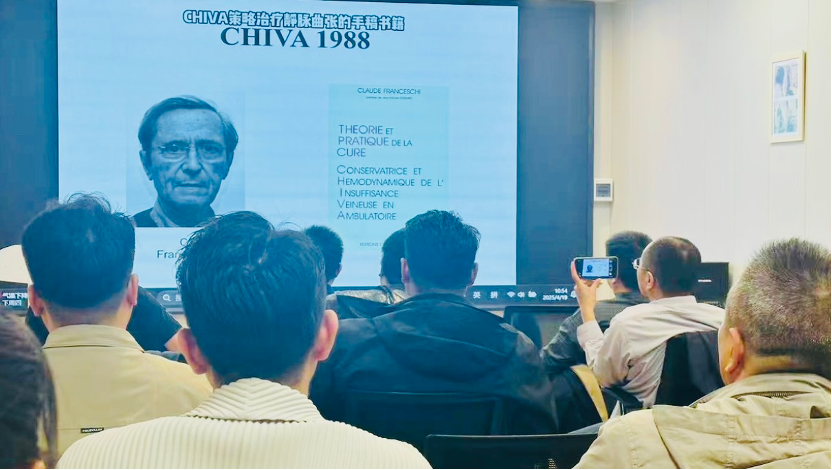
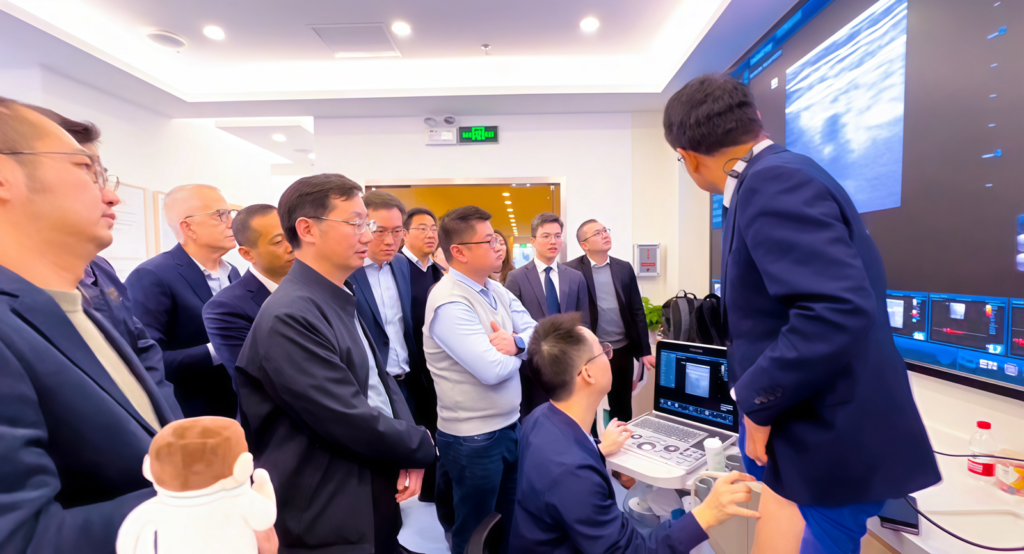
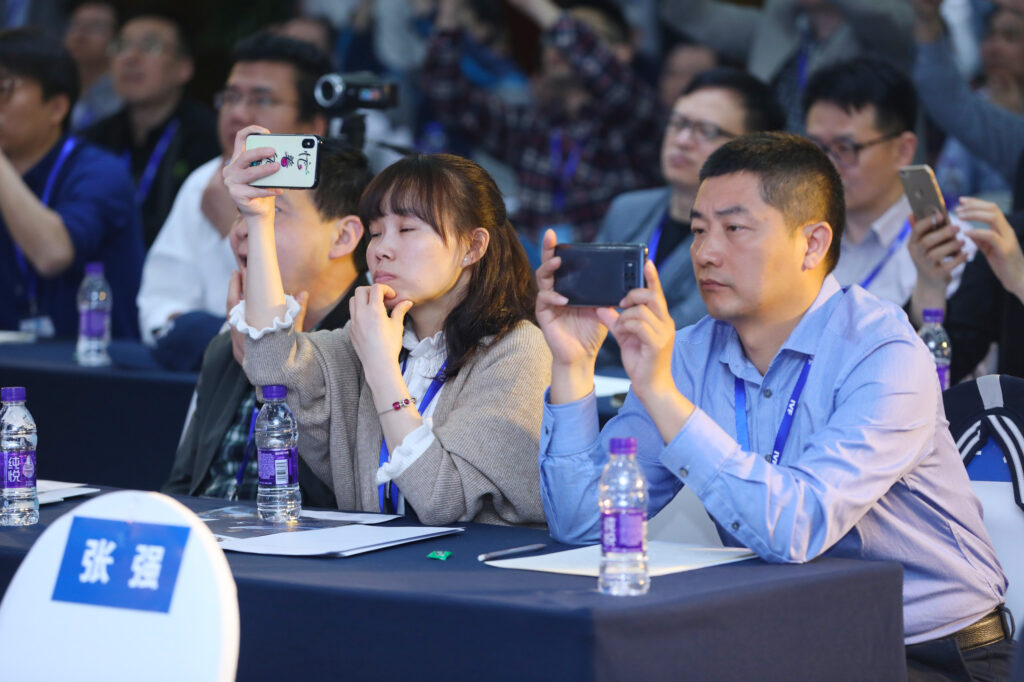
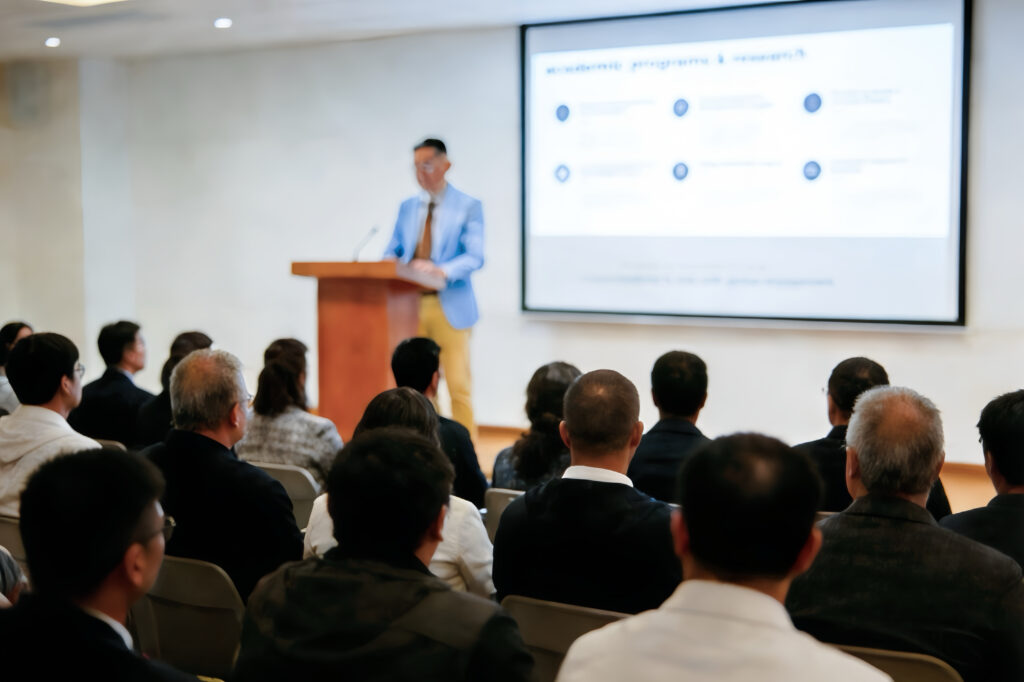
Throughout the conference, participants engaged in focused discussions around ultrasound images and hemodynamics. Some carefully took notes during keynote presentations, while others used coffee breaks to exchange business cards, discuss clinical cases, and explore opportunities for future collaboration.
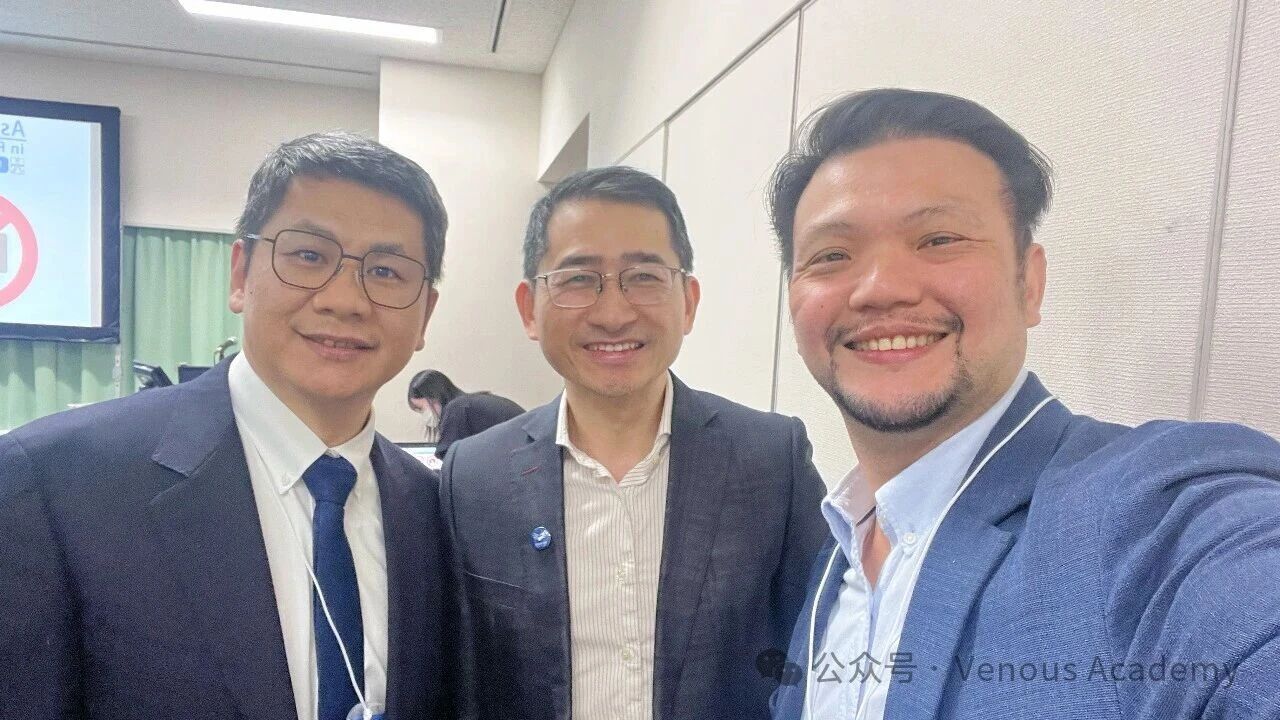
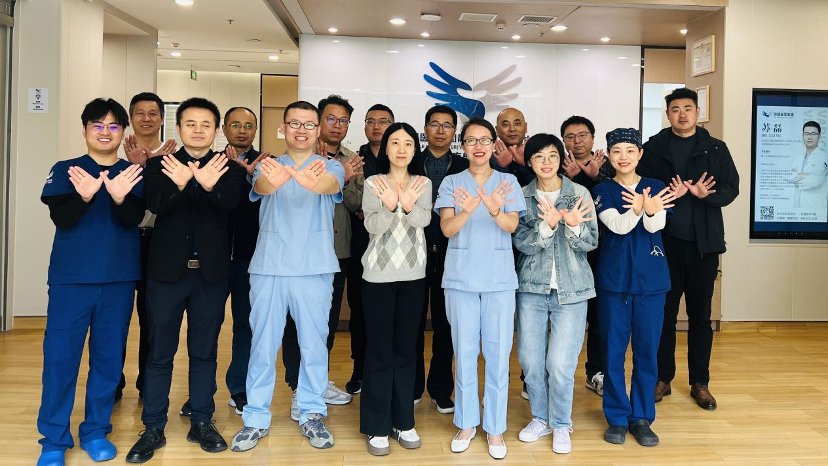
This was not only an academic conference, but also a meaningful gathering of venous medicine professionals from across Asia.
The enthusiasm of Japanese colleagues was particularly impressive
As the host country, Japanese colleagues were deeply involved in nearly every aspect of the meeting, from conference organization and academic presentations to case discussions.
They demonstrated a high level of professionalism, strong academic engagement, and genuine enthusiasm for international exchange. What impressed me in particular was the active participation of many young physicians. Their involvement helped create an open, dynamic, and highly engaged atmosphere throughout the meeting.
At the same time, colleagues from South Korea, Vietnam, Indonesia, and Thailand were also highly active.
They not only presented excellent clinical cases, but also shared their respective countries’ experiences and reflections on venous disease treatment, clinical research, and professional training. Although some of these countries have relatively smaller populations, their level of participation in international academic exchange was remarkably high.
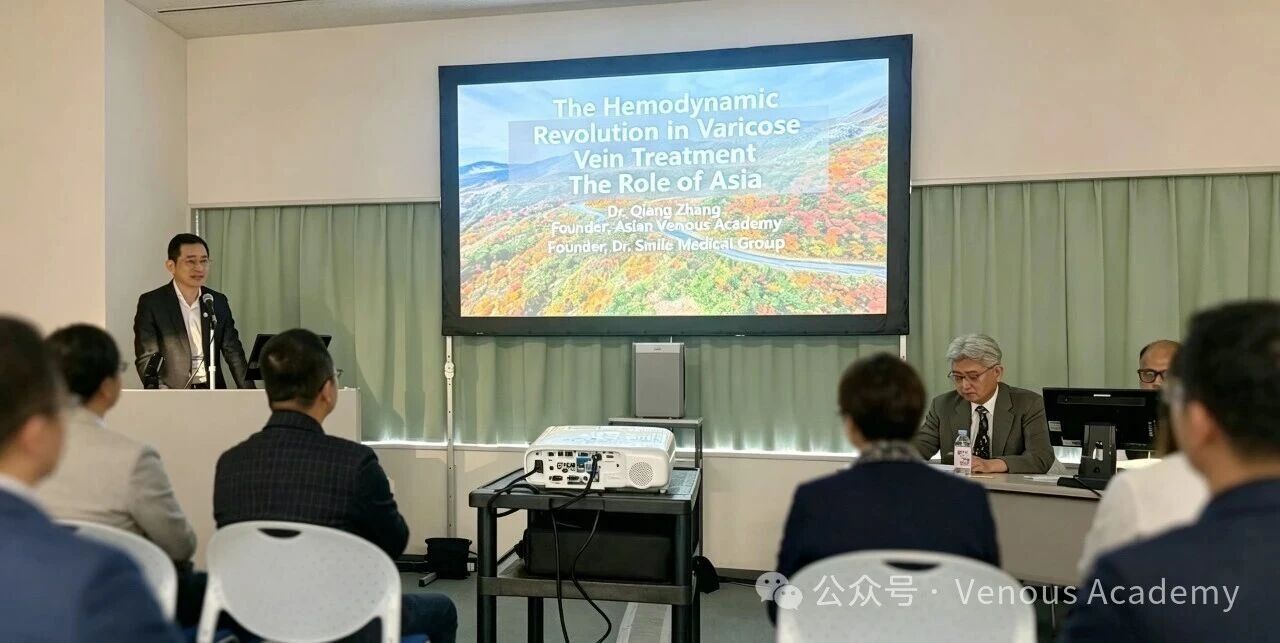
Sitting in the conference hall, I began to reflect on an important question: as one of the major medical countries in Asia, why was the participation of physicians from mainland China relatively limited at this conference?
Physicians from Taiwan actively took part in various academic sessions, while participation from Hong Kong and Macao appeared comparatively limited.
How to encourage more Chinese physicians to engage in international professional exchange may remain an important topic worthy of continued attention.
In fact, China has abundant clinical resources, a large patient population, rapidly advancing medical technologies, and an expanding body of experience in medical management and innovation.
In the field of venous disease in particular, Chinese physicians have accumulated extensive clinical experience and have carried out many distinctive technical explorations and innovative practices.
After attending this conference, I became increasingly aware that international academic influence does not come solely from resources and achievements themselves. It also depends on sustained participation, open communication, and a willingness to share, learn, and engage with the global professional community.
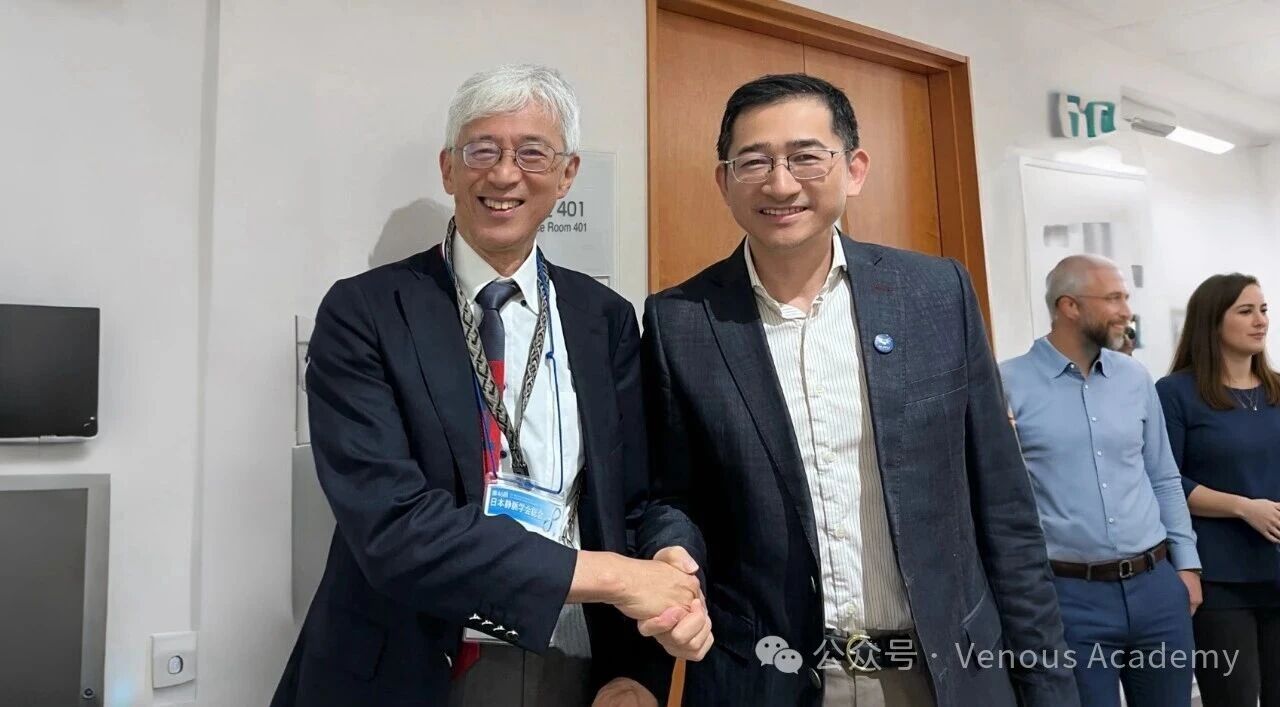
Reflecting once again on Hong Kong
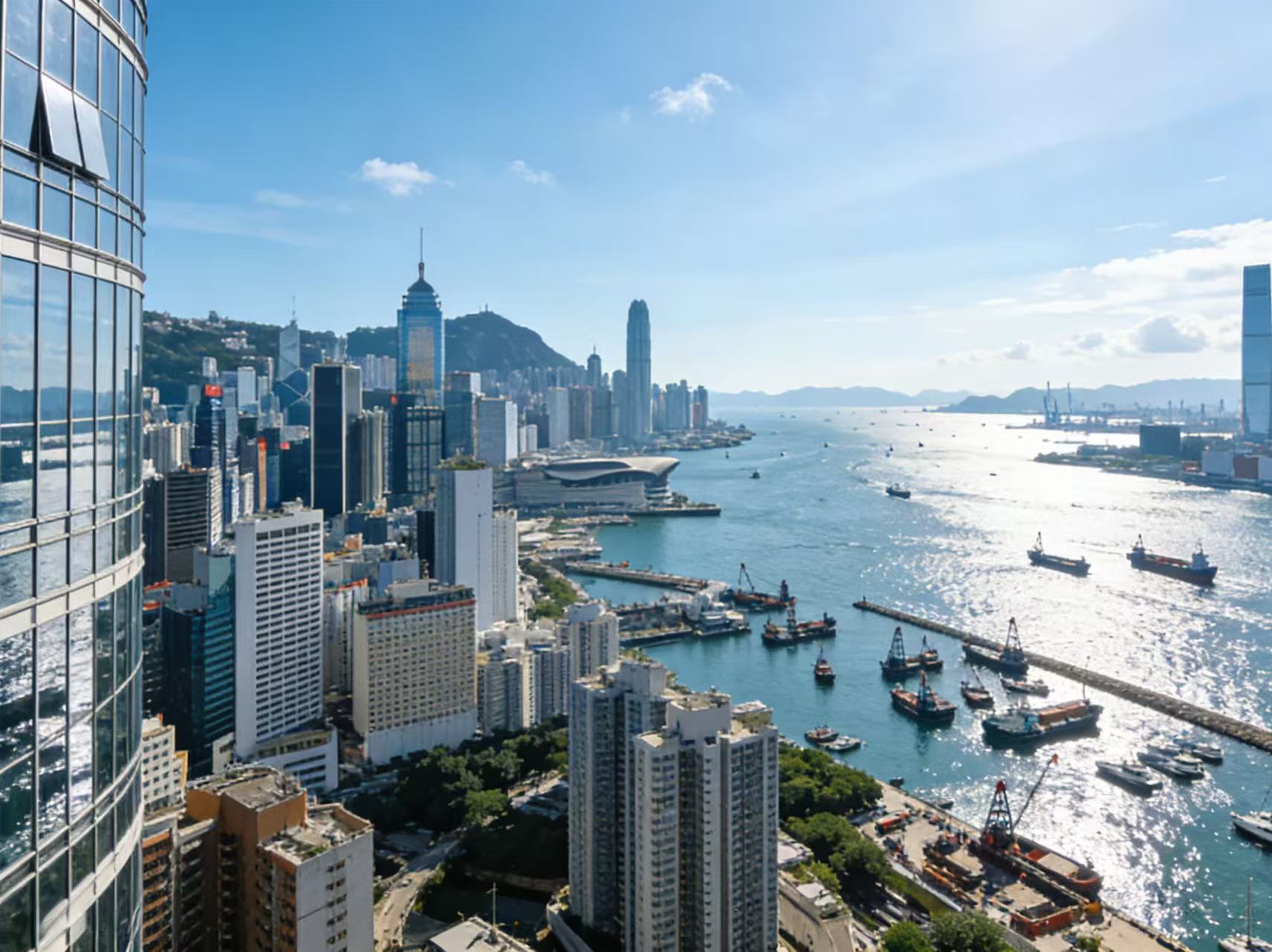
This conference also brought my attention once again to Hong Kong.
One of the important reasons the Asian Venous Academy established its headquarters in Hong Kong is our belief that Hong Kong has a strong foundation for international exchange and a unique regional advantage.
For many years, Hong Kong has been an important international exchange hub in Asia. Medical institutions such as the University of Hong Kong and the Chinese University of Hong Kong also enjoy broad international recognition and influence.
However, during this conference, I saw relatively few venous medicine colleagues from Hong Kong and Macao.
This made me realize that Hong Kong may still have significant room for further development and potential to be explored in the field of international medical exchange.
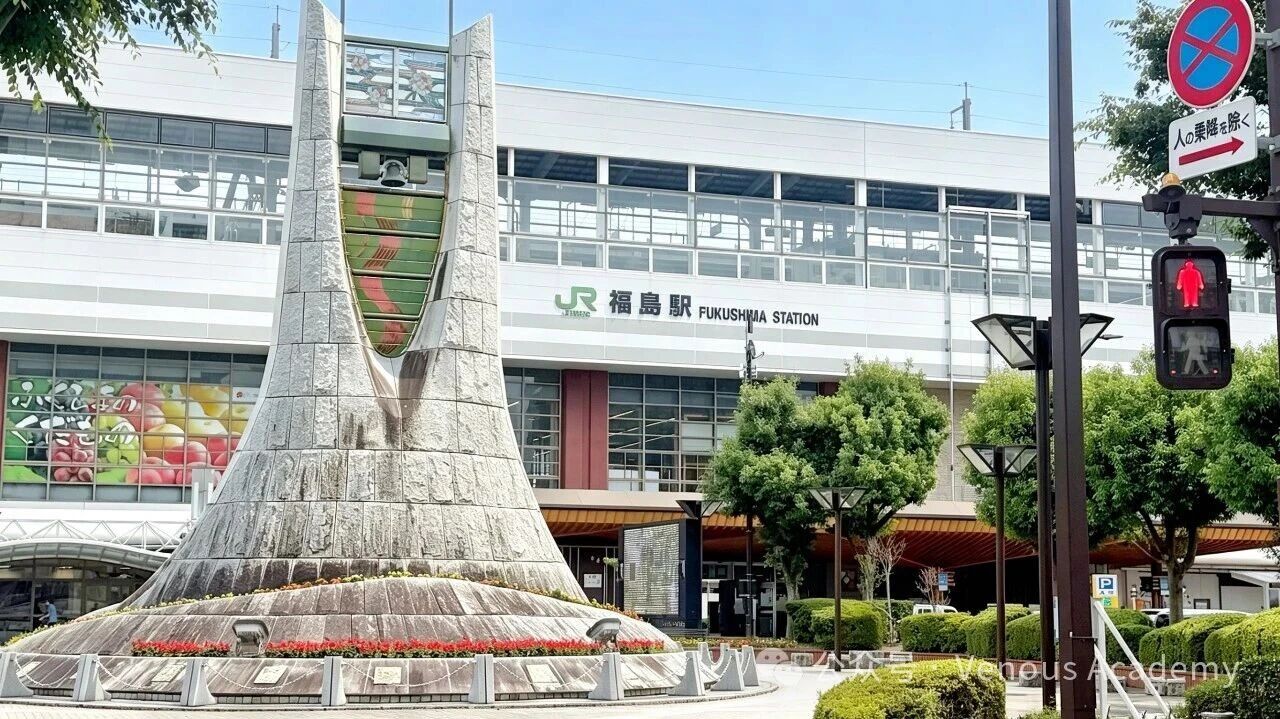
Although the conference lasted only a few days, many impressions remained deeply in my mind.
As colleagues from across Asia actively shared their clinical experience, research findings, and medical practices, I kept thinking about how China’s rich clinical resources and practical experience could be better integrated into international exchange and shared more widely with global peers.
As a participant, this trip to Fukushima further strengthened my understanding that the value of international academic exchange lies not only in presenting technologies and achievements, but more importantly in building connections, sharing experience, learning from one another, and developing mutual understanding and trust through long-term engagement.
At the venue, I saw the strong enthusiasm of colleagues from many countries for international exchange. I also felt that there remains considerable space for us to participate more actively in professional international dialogue.
Perhaps this is the true significance of every opportunity to go abroad and attend an international conference: not to prove something, but to connect with one another, share experience, and move forward together through exchange.
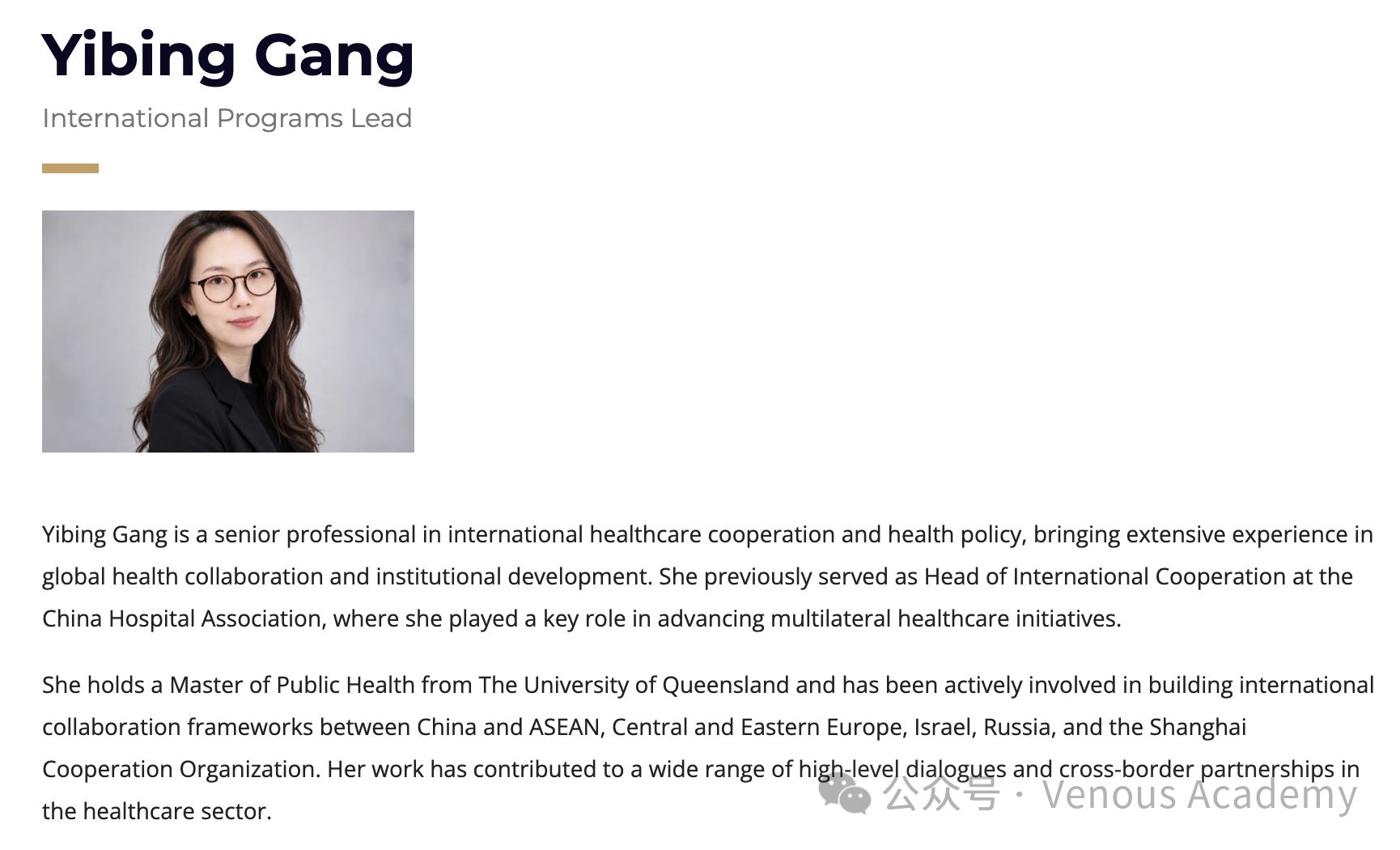
We welcome inquiries regarding academic collaboration, joint scientific meetings, educational initiatives, and appropriate institutional support aligned with the Academy’s mission.